


Overcoming the Barriers: Key Challenges Facing the Pharmaceutical Industry Today
The pharmaceutical industry sits at the intersection of science, healthcare, and business. Its mission—bringing innovative therapies to market that save and improve lives—is more critical than ever. Yet, behind the breakthroughs lies a complex landscape of challenges that pharmaceutical companies must navigate daily.
Rising Costs of Drug Development
Developing a single drug can cost upwards of $2 billion and take over a decade from discovery to market approval. These high costs are driven by the need for extensive clinical trials, regulatory requirements, and research failures that never make it to market. This expense directly impacts drug pricing, fueling ongoing debates about affordability and accessibility for patients.
Regulatory Hurdles and Approval Delays
Strict FDA and international regulations ensure safety but also create lengthy approval timelines. While necessary for patient protection, these processes can delay access to life-saving medications. Emerging therapies such as gene editing and personalized medicine face even more scrutiny due to their novelty, slowing adoption.
Supply Chain Vulnerabilities
Recent global events have exposed how fragile pharmaceutical supply chains can be. From raw material shortages to disruptions in manufacturing and distribution, maintaining consistent access to essential drugs is a growing concern. Patients often bear the brunt of these disruptions, especially in critical care areas like oncology or chronic disease management.
The Role of Data in Driving Innovation
To address these challenges, pharmaceutical companies are turning to real-time data and patient engagement platforms. HealthLynked’s network provides secure, aggregated health data from millions of patients, allowing pharmaceutical companies to gain insights faster, accelerate clinical trials, and monitor real-world outcomes. This direct connection to patients also enables more effective post-market surveillance and the ability to pivot quickly when safety concerns arise.
By embracing new technology and creating stronger partnerships with providers and patients, pharmaceutical companies can overcome these hurdles and continue driving medical innovation forward.
Related Blogs
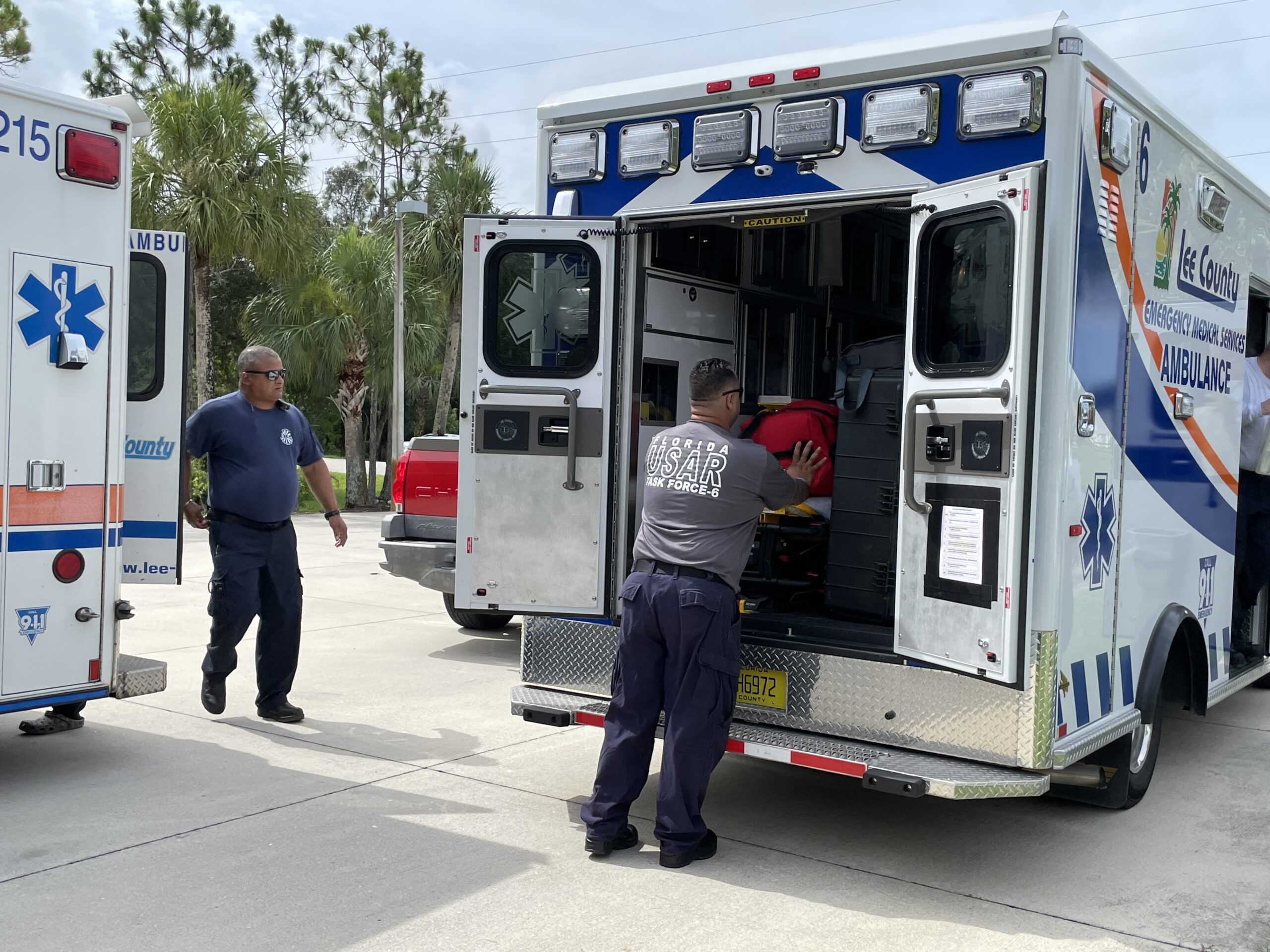
EMS in Crisis: The Challenge of Patient Data in Emergencies
Seconds Count: How Lack of Patient Data Hampers EMS Care in Critical Situations For Emergency Medical Services (EMS) teams, every second counts. In life-threatening situations such as strokes, heart attacks, or severe trauma, having accurate patient information can mean the difference between life and death. Unfortunately, EMS providers often operate with little to no medical […]
 Read More

Large Physician Groups and Hospitals: The Patient Connection Gap
Closing the Gap: How Large Physician Groups and Hospitals Can Better Connect with Patients Healthcare organizations are investing heavily in technology, yet many still struggle to efficiently connect patients with the care they need. Large physician groups and hospitals face unique operational challenges in appointment scheduling, patient engagement, and record sharing. Missed Appointments and Access […]
Read More

Major Insurance Carriers: Navigating a Shifting Healthcare Landscape
Adapting to Change: The Challenges Facing Major Insurance Carriers Major insurance carriers are the backbone of the U.S. healthcare system, covering millions of lives and managing billions in claims annually. As the industry shifts toward value-based care and patient-centered models, carriers face unprecedented challenges that demand innovation. Balancing Cost Control and Patient Satisfaction Rising healthcare […]
Read More