

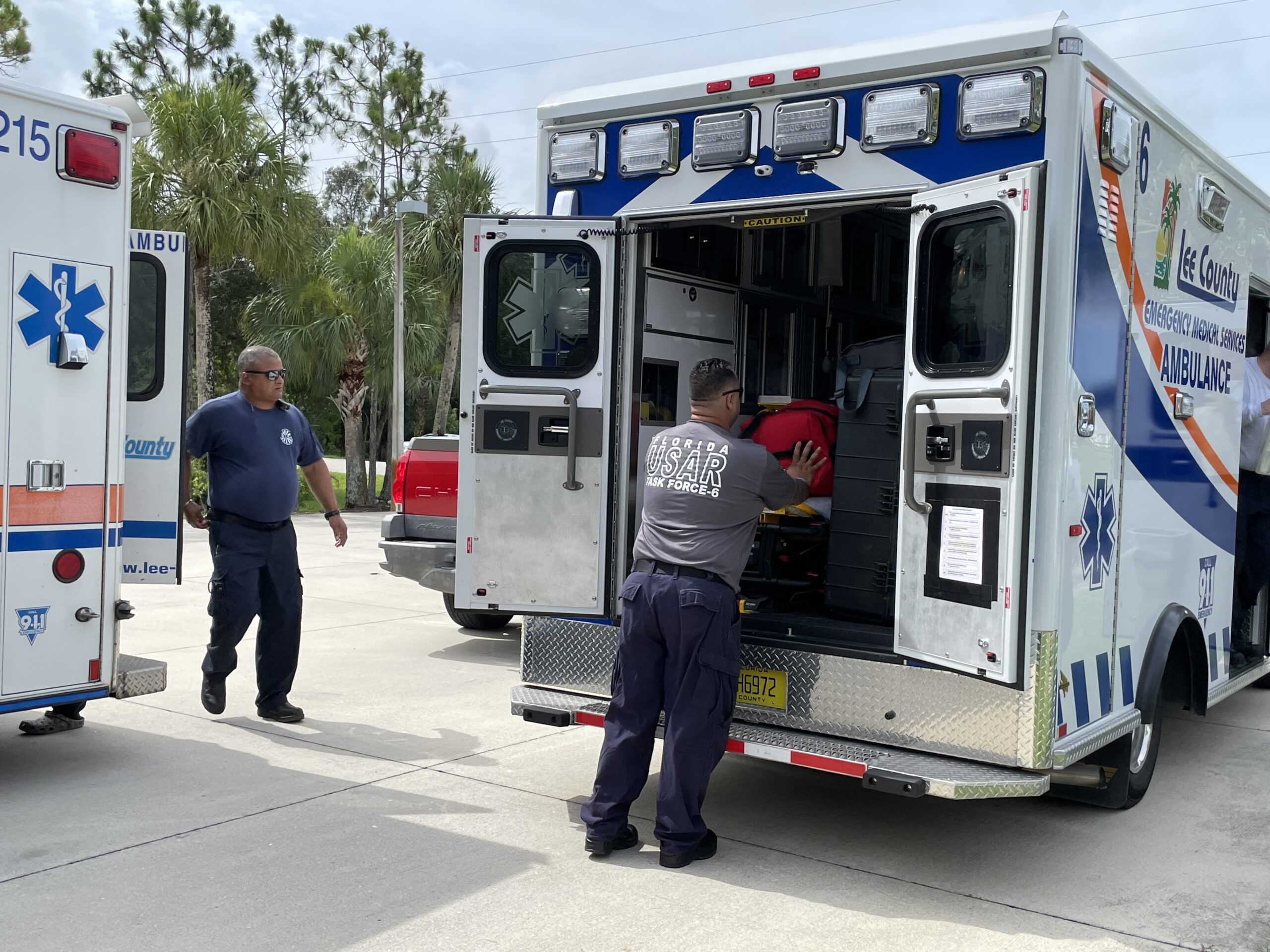
Seconds Count: How Lack of Patient Data Hampers EMS Care in Critical Situations
For Emergency Medical Services (EMS) teams, every second counts. In life-threatening situations such as strokes, heart attacks, or severe trauma, having accurate patient information can mean the difference between life and death. Unfortunately, EMS providers often operate with little to no medical history when arriving on the scene.
The Problem of Communication Barriers
Patients experiencing a medical crisis are often unable to speak, unconscious, or confused. Without access to allergies, medications, or pre-existing conditions, EMS personnel are forced to make critical decisions in the dark, increasing the risk of complications.
Data Gaps in the Field
Even when patients carry some medical information, it’s often incomplete or outdated. Current EMS systems lack direct integration with real-time patient health records, leaving providers reliant on guesswork or hospital lookups that take precious minutes.
The Cost of Delayed Care
Every minute of delay in treating a stroke, for example, can result in the loss of millions of brain cells and significantly impact long-term recovery. Similarly, giving the wrong medication due to unknown allergies can turn a manageable crisis into a fatal one.
A Solution Through Technology
HealthLynked’s platform addresses this challenge by enabling secure, instant access to patient health data through ARI AI and linked profiles. EMS teams can scan or search a patient’s profile in the field, instantly viewing critical medical history. This information allows for faster, more accurate interventions and can be securely shared with receiving hospitals to ensure seamless continuity of care.
By closing the gap between patients, EMS providers, and hospitals, HealthLynked empowers first responders to save more lives and deliver better outcomes in the moments that matter most.
Related Blogs
EMS in Crisis: The Challenge of Patient Data in Emergencies
Seconds Count: How Lack of Patient Data Hampers EMS Care in Critical Situations For Emergency Medical Services (EMS) teams, every second counts. In life-threatening situations such as strokes, heart attacks, or severe trauma, having accurate patient information can mean the difference between life and death. Unfortunately, EMS providers often operate with little to no medical […]
 Read More

Large Physician Groups and Hospitals: The Patient Connection Gap
Closing the Gap: How Large Physician Groups and Hospitals Can Better Connect with Patients Healthcare organizations are investing heavily in technology, yet many still struggle to efficiently connect patients with the care they need. Large physician groups and hospitals face unique operational challenges in appointment scheduling, patient engagement, and record sharing. Missed Appointments and Access […]
Read More

Major Insurance Carriers: Navigating a Shifting Healthcare Landscape
Adapting to Change: The Challenges Facing Major Insurance Carriers Major insurance carriers are the backbone of the U.S. healthcare system, covering millions of lives and managing billions in claims annually. As the industry shifts toward value-based care and patient-centered models, carriers face unprecedented challenges that demand innovation. Balancing Cost Control and Patient Satisfaction Rising healthcare […]
Read More