


Adapting to Change: The Challenges Facing Major Insurance Carriers
Major insurance carriers are the backbone of the U.S. healthcare system, covering millions of lives and managing billions in claims annually. As the industry shifts toward value-based care and patient-centered models, carriers face unprecedented challenges that demand innovation.
Balancing Cost Control and Patient Satisfaction
Rising healthcare costs put pressure on insurers to keep premiums affordable while ensuring comprehensive coverage. Patients, however, demand personalized experiences and quick access to care. Striking this balance requires better data integration and smarter risk management.
Regulatory and Policy Shifts
Healthcare regulations are constantly evolving. From changes in the Affordable Care Act to new state-level mandates, carriers must adapt quickly to stay compliant. This regulatory flux adds administrative burdens and can disrupt existing business models.
Data Silos and Limited Visibility
One of the biggest hurdles for insurers is the lack of visibility into real-time patient health data. Traditional claims-based models provide only a retrospective view of care, limiting their ability to predict risk or engage proactively with patients.
Leveraging Technology for Better Outcomes
HealthLynked empowers insurance carriers by connecting them directly with patient health records in a secure, HIPAA-compliant platform. This access to real-time data enables more accurate risk assessments, streamlined prior authorizations, and better care coordination. AI-driven insights allow carriers to identify high-risk patients earlier and offer targeted interventions, reducing costs and improving outcomes.
As healthcare continues to evolve, carriers that embrace patient-driven data and collaborative platforms will be best positioned to deliver value while maintaining sustainable business models.
Related Blogs
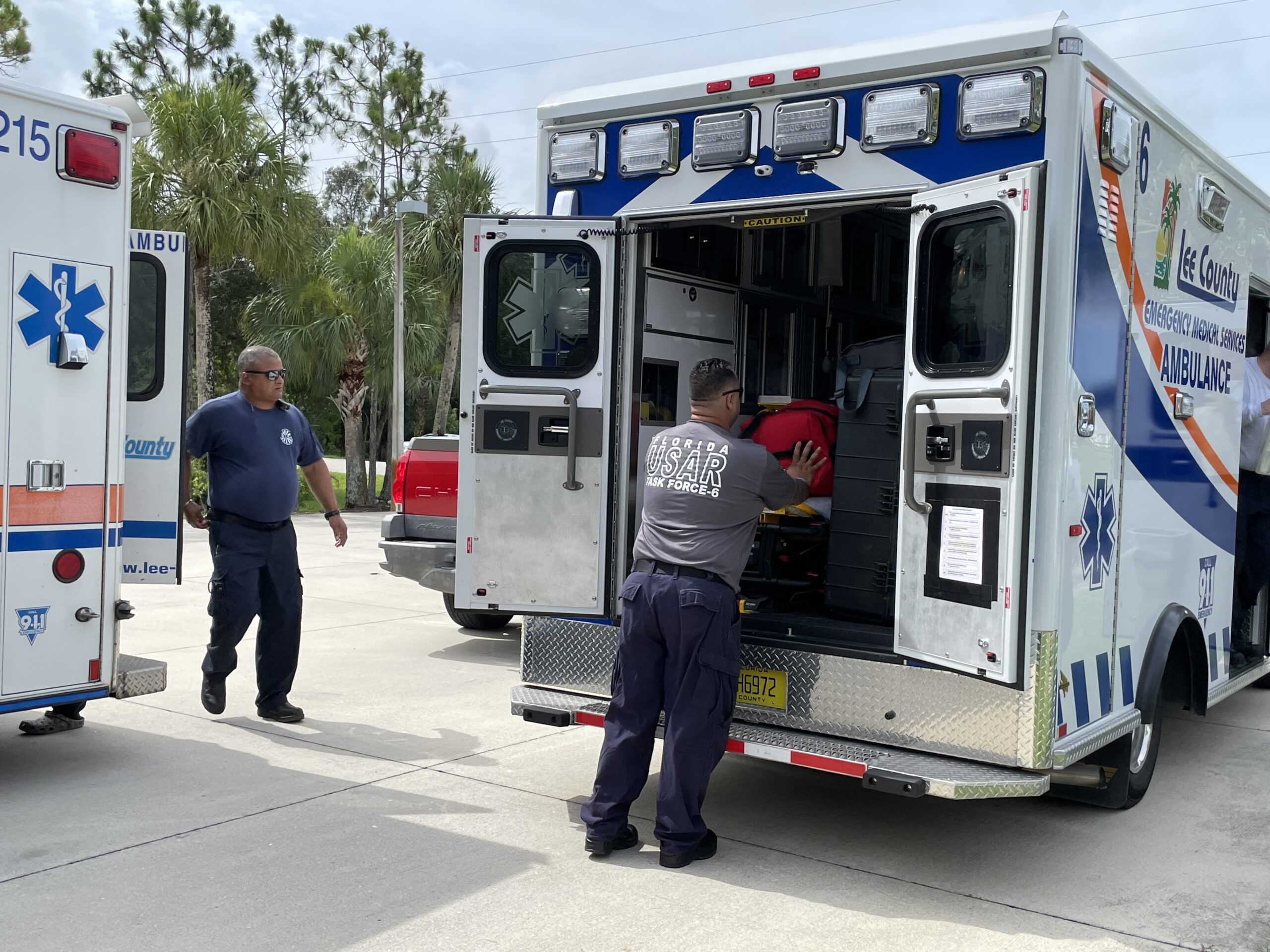
EMS in Crisis: The Challenge of Patient Data in Emergencies
Seconds Count: How Lack of Patient Data Hampers EMS Care in Critical Situations For Emergency Medical Services (EMS) teams, every second counts. In life-threatening situations such as strokes, heart attacks, or severe trauma, having accurate patient information can mean the difference between life and death. Unfortunately, EMS providers often operate with little to no medical […]
 Read More

Large Physician Groups and Hospitals: The Patient Connection Gap
Closing the Gap: How Large Physician Groups and Hospitals Can Better Connect with Patients Healthcare organizations are investing heavily in technology, yet many still struggle to efficiently connect patients with the care they need. Large physician groups and hospitals face unique operational challenges in appointment scheduling, patient engagement, and record sharing. Missed Appointments and Access […]
Read More
Major Insurance Carriers: Navigating a Shifting Healthcare Landscape
Adapting to Change: The Challenges Facing Major Insurance Carriers Major insurance carriers are the backbone of the U.S. healthcare system, covering millions of lives and managing billions in claims annually. As the industry shifts toward value-based care and patient-centered models, carriers face unprecedented challenges that demand innovation. Balancing Cost Control and Patient Satisfaction Rising healthcare […]
Read More